

What are the FIS rules?
If you spend time on the slopes, you should know the FIS ski rules just as well as your basic skiing techniques.
FIS stands for Fédération Internationale de Ski (the International Ski Federation), which is the global governing body for skiing and snowboarding. They created a set of code-of-conduct rules for the slopes with one main goal: to increase safety for all skiers and snowboarders.
At first glance, these rules might seem obvious, but in reality, failing to follow them is exactly what causes most collisions and injuries on the mountain.
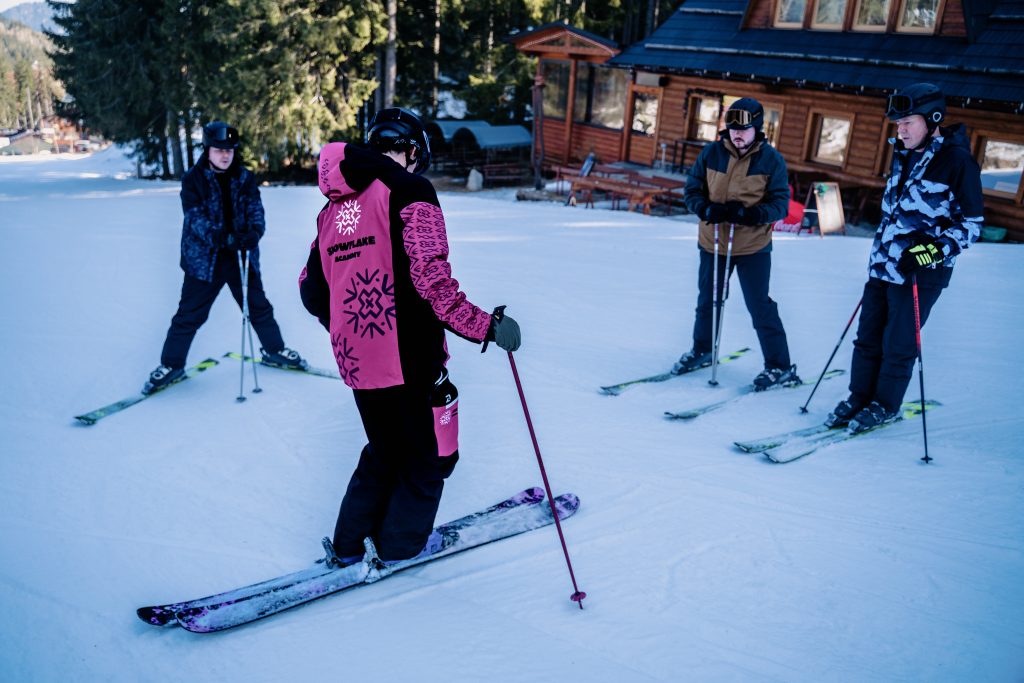
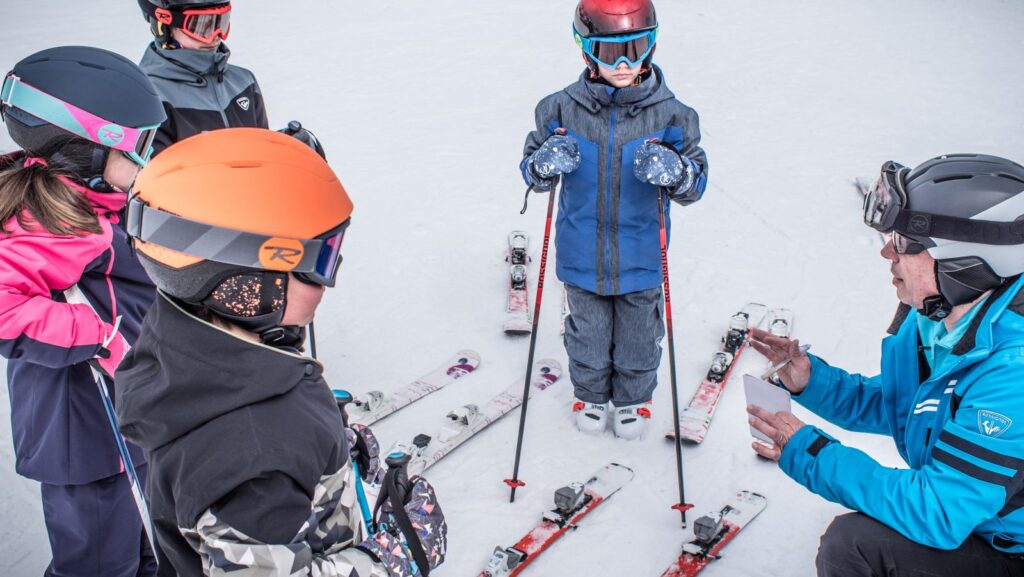
At the SNOWFLAKE ACADEMY ski school, we teach that being a great skier isn’t just about technical skill—it is about being courteous and responsible.
The history of the FIS rules
This alpine code of conduct was originally established back in 1967, with its last major update implemented in 2002.
While they are not official laws in the legal sense, courts, mountain rescue teams, and insurance companies treat them as the primary benchmark when evaluating slope accidents and injuries. Today, knowing and following them is considered a given for every resort visitor. Violating these principles can result not only in serious injury but also in legal and financial liabilities if you cause harm or damage to someone else.

The 10 essential FIS rules on the slopes
1. Respect for others
Every skier and snowboarder must behave in a way that does not endanger or prejudice others. Remember, you are responsible not only for your behavior but also for the technical condition of your equipment.
2. Control of speed and skiing style
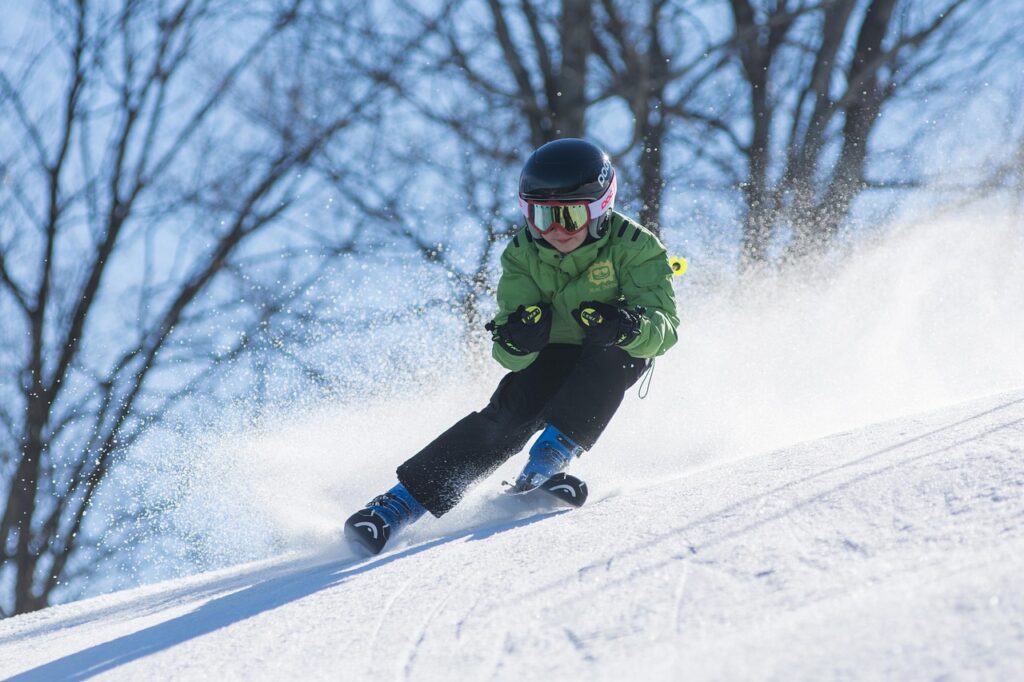
Adapt your speed and riding style to your personal ability, the current terrain, snow and weather conditions, as well as the density of traffic on the slope. Excessive speed or losing control are the most common causes of collisions. You must always be able to stop safely or dodge an obstacle at any moment.
3. Choice of route
A skier or snowboarder overtaking from behind must choose their line in a way that does not endanger skiers or snowboarders ahead of them. The rider ahead of you (further down the slope) always has the right of way, as they cannot see what is happening behind their back.
4. Overtaking
You can overtake another rider from above or below, from the left or the right, but you must always leave enough space for the person being overtaken to make all of their turns and movements.
5. Entering the trail and starting after a stop
Any skier or snowboarder entering a run, or restarting after stopping on the slope, must look up and down the mountain to ensure they can do so without endangering themselves or others.
6. Stopping and standing
Unless absolutely necessary, a skier or snowboarder must avoid stopping in narrow sections or places where visibility is restricted. In the event of a fall in these zones, you must clear the area as quickly as possible. If you need to stop, do so only at the edge of the slope.
7. Climbing and descending on foot
A skier or snowboarder who is climbing or descending the slope on foot must stick strictly to the edge of the run. Walking down the middle of the trail ruins the snow surface and creates unexpected hazards for downhill riders.
8. Respect for signs and markings
Every skier and snowboarder must follow all trail markings, respect warning, informational, and boundary signs, and follow the instructions of Mountain Rescue and lift operations staff.
9. Assistance in case of accidents
In the event of an accident, every skier or snowboarder is duty-bound to provide first aid, secure the scene of the injury, and immediately alert the proper authorities (Mountain Rescue or lift staff).
10. Duty of identification
Every skier and snowboarder—whether they are a responsible party or simply a witness—must exchange names and contact details following an accident.

Why is following them so important?
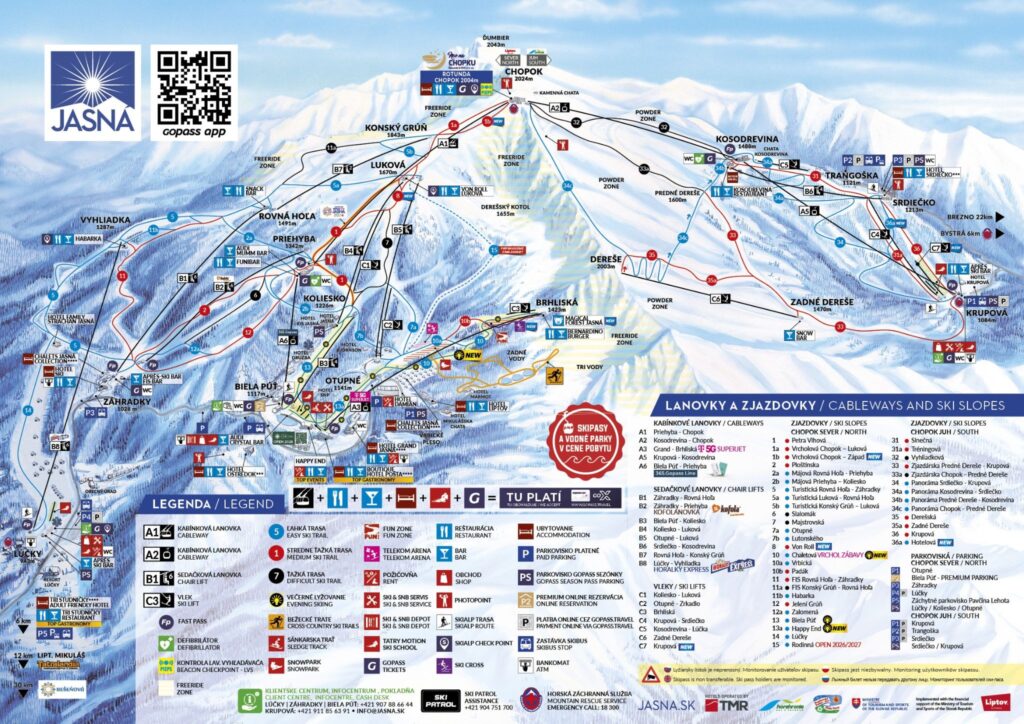
Ski resorts, including Jasná, are highly dynamic environments—beginners, kids, fast sports skiers, and snowboarders all share the very same slopes. Following the rules:
- Lowers the risk of collisions
- Helps prevent injuries
- Creates a safe environment for everyone
- Improves the overall flow of traffic on the mountain
Some of these rules might seem obvious, but following them makes the absolute biggest difference on the slopes. A little courtesy goes a long way in ensuring your day on the mountain is both safe and stress-free.